
The fund that kicks off the flywheel
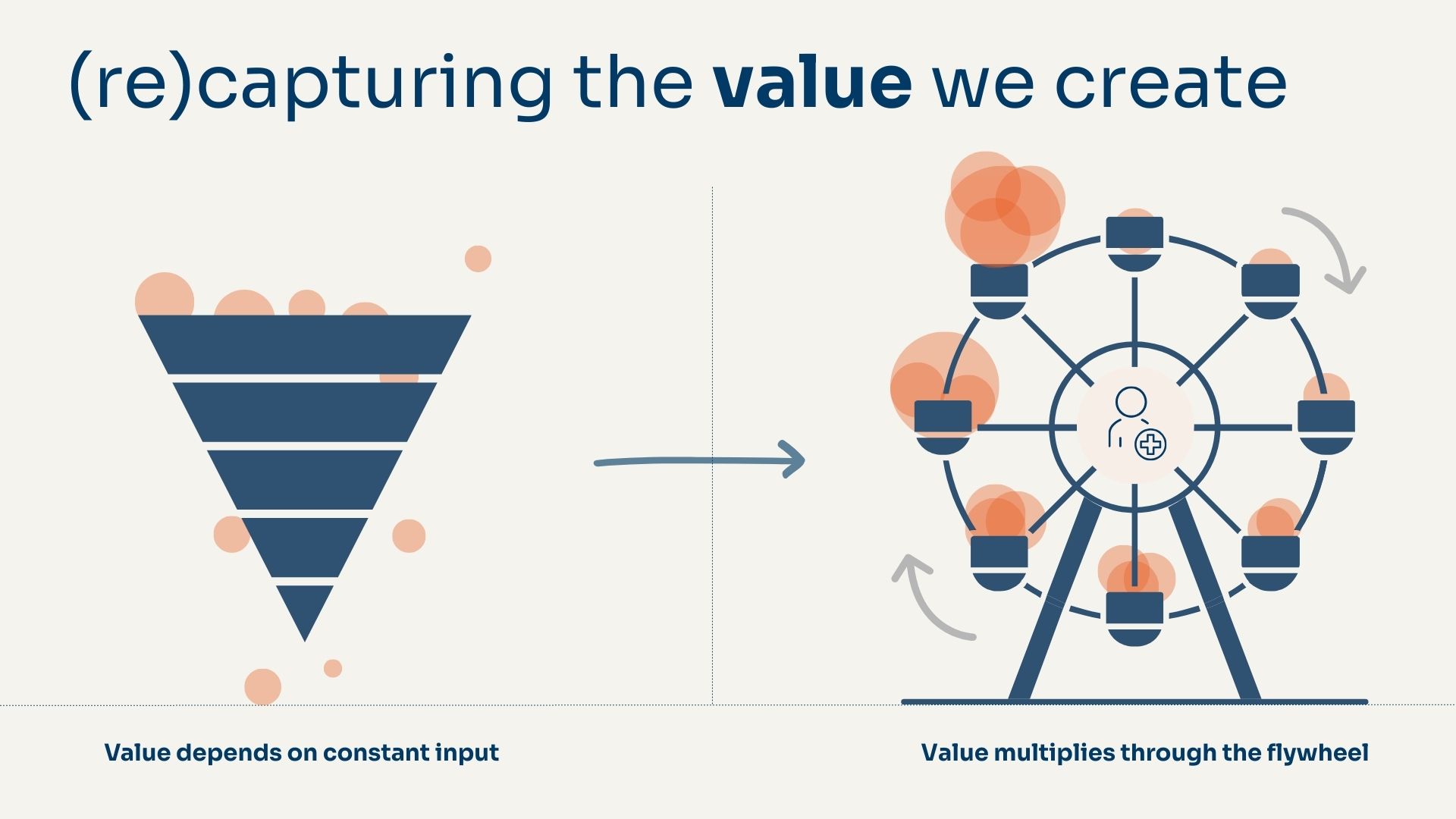
Current efforts in the endocrine and adrenal space are often well-intentioned but structurally inefficient. We are trapped in a cycle of "perpetual subsidy" - pouring capital into research, clinics, and advocacy groups that require constant external life support.
To move from incremental care to tangible solutions, we need to shift the model from charity to a commercial fund. Here is why a venture-led approach is the only way to set the ecosystem in motion.
From "endless subsidy" to tangible output
Philanthropic and grant-based models often lack a "finish line." Money is spent on research that may never leave the lab.
- The Filter of KPIs: By operating with commercial rigor, we judge technologies on their ability to scale and survive regulatory hurdles.
- The Result: Instead of pouring money into "leaky buckets", capital is deployed to build tangible products (monitoring tools, dosing systems, and therapeutics) that actually reach the patient’s hands.
The unified alignment mechanism
Currently, the ecosystem is fragmented: researchers seek publications, clinics fight daily fires, and patient groups advocate for visibility. These groups often work in silos, competing for the same pool of donations.
- The "Bandwagon" Effect: A fund acts as the central hub that aggregates these efforts. By investing in companies that require clinical validation and patient insight, we align everyone’s incentives toward a single goal: the success of the solution.
- The Result: When the company succeeds, everyone benefits—the researchers see their work commercialized, the clinics get better tools, and the patient gets their life back.
Market signaling and the growth flywheel
The endocrine space is often overlooked because it is perceived as too complex or niche. Without a lead investor to "seed the space," institutional capital stays on the sidelines.
- The Signal: A dedicated fund sends a message to the global market that this sector is high-value and investable. By doing the deep technical due diligence, we de-risk the space for follow-on investors, effectively multiplying the initial capital.
- The Flywheel: Unlike charity, where $1 spent is $1 gone, a fund reinvests its returns. Success in one company fuels the next generation of startups, creating a self-sustaining ecosystem that grows in value and impact over time.
The Bottom Line: We don’t need more "awareness." We need infrastructure. A commercial fund provides the discipline, the accountability, and the capital required to turn lived experience into clinical reality.
.jpg)